

Choosing between the Apple Watch GPS and Cellular models can be tricky. Both offer unique features that cater to different needs.
Apple Watch GPS is great for those who always have their phone nearby. It uses your iPhone to track location and receive notifications. Apple Watch Cellular, on the other hand, works independently of your phone. You can make calls and use apps even without your iPhone.
Understanding the key differences can help you decide which model suits your lifestyle best. In this blog, we will explore the advantages and limitations of both models. By the end, you’ll have a clearer idea of which Apple Watch fits your needs. Keep reading to make an informed choice.
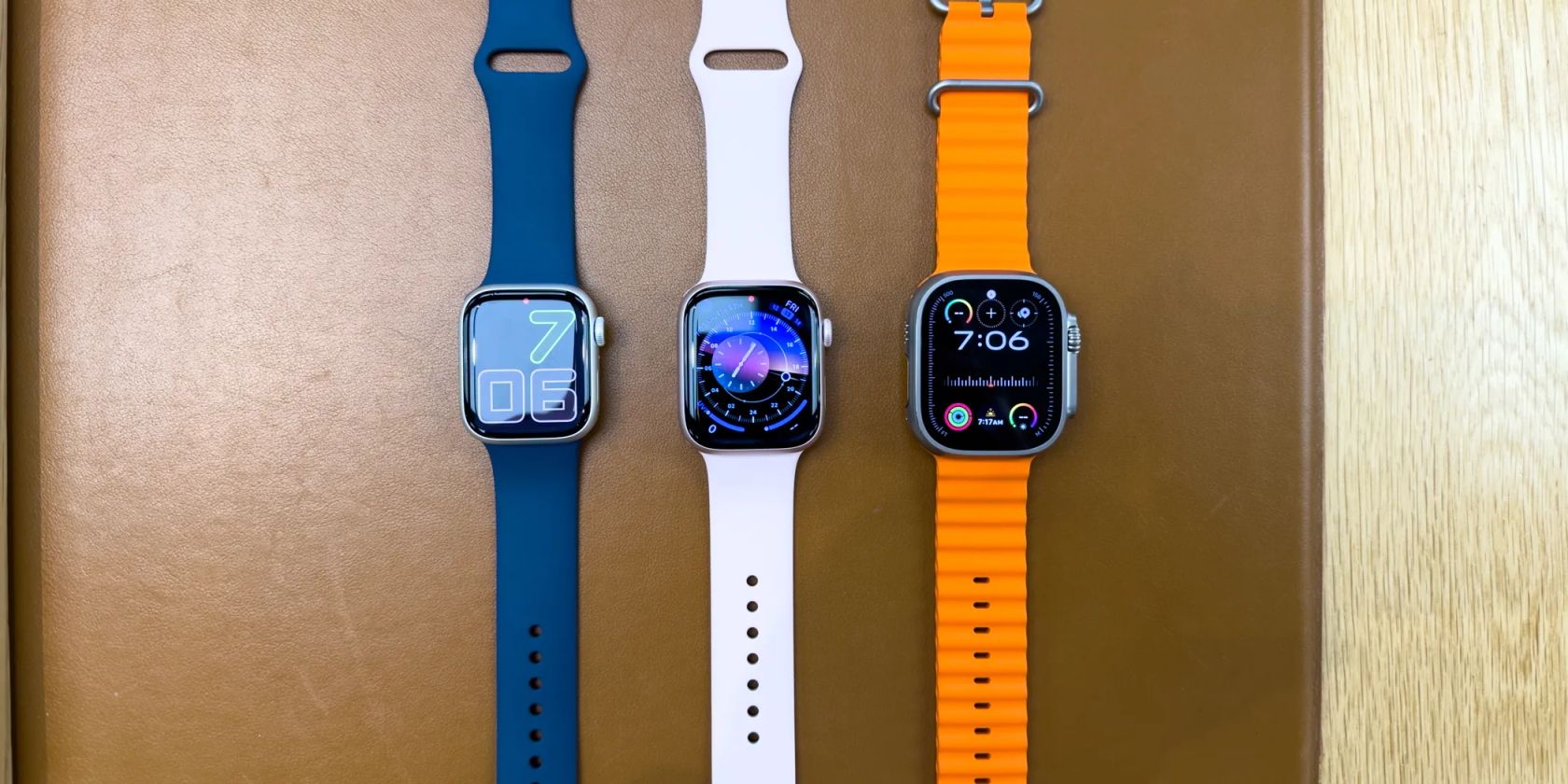
Credit: www.makeuseof.com
Apple Watch Gps
When considering an Apple Watch, you might be torn between the GPS model and the Cellular model. Many users find the Apple Watch GPS to be a perfect fit for their needs. Let’s dive into its specific features, advantages, and limitations to help you make an informed decision.
Features Of Gps Model
The Apple Watch GPS is designed to connect to your iPhone via Bluetooth and Wi-Fi. This connection allows you to use various apps, receive notifications, and track your fitness activities seamlessly.
One standout feature is the built-in GPS, which can track your location during outdoor workouts. This means you can leave your iPhone at home and still map your run or bike ride accurately.
You also get the benefit of a longer battery life compared to the Cellular model. The GPS model can last up to 18 hours on a single charge, making it ideal for daily use.
Advantages Of Gps Model
The primary advantage of the Apple Watch GPS is its affordability. It’s a more budget-friendly option compared to the Cellular model, making it accessible to a wider range of users.
The longer battery life is another significant benefit. You won’t need to charge your watch as frequently, which is particularly useful for long days or trips.
Additionally, the simplicity of the GPS model can be appealing. You don’t need to worry about managing a separate data plan, which can save you both time and money.
Limitations Of Gps Model
One limitation of the GPS model is its dependence on your iPhone. You’ll need to have your phone nearby to make calls, send messages, or stream music.
Another downside is the lack of standalone internet connectivity. If you frequently find yourself in situations where you need internet access without your phone, the GPS model might not be ideal for you.
Lastly, the GPS model doesn’t support some advanced features that the Cellular model offers, such as emergency calling without your phone. This can be a crucial factor for some users.
So, what are your priorities? Do you prefer the affordability and simplicity of the GPS model, or do you need the added convenience of the Cellular model? Understanding your specific needs will help you make the best choice.
Apple Watch Cellular
The Apple Watch Cellular offers a unique set of features compared to the GPS model. With built-in LTE connectivity, it allows users to stay connected even without their iPhone nearby. This means you can make calls, send texts, and use apps directly from your wrist.
Features Of Cellular Model
The Apple Watch Cellular comes with several impressive features. Firstly, it has its own cellular connection. This allows you to make calls and send messages independently. Secondly, it supports streaming music and accessing apps without needing your phone. Thirdly, it includes emergency SOS functionality. This ensures you can call for help even if your phone is not with you. Lastly, the cellular model includes GPS for accurate tracking of your activities.
Advantages Of Cellular Model
There are many benefits to choosing the Apple Watch Cellular. Freedom from your phone is a major advantage. You can leave your phone at home and still stay connected. This is great for workouts or short trips. You can stream music directly from your watch. This makes your exercise routine more enjoyable. Emergency SOS can be a lifesaver in critical situations. The cellular model also offers greater independence and convenience.
Limitations Of Cellular Model
While the Apple Watch Cellular has many benefits, there are some drawbacks. The cost is higher compared to the GPS model. You also need a separate data plan for cellular service. This adds to your monthly expenses. Battery life can be shorter when using cellular functions. It may not last as long on a single charge. Finally, some users may find the setup process more complex. You need to configure the cellular settings properly.
Comparison Of Gps And Cellular
Apple Watch offers two main versions: GPS and Cellular. Both have their unique features. Choosing between them depends on your needs. Let’s explore the differences.
Cost Differences
The GPS model is usually cheaper. It costs less upfront. There’s no monthly fee. The Cellular model is more expensive. You pay more initially. There’s also a monthly service fee.
Battery Life Comparison
Battery life varies between the two models. The GPS version has longer battery life. It uses less power. The Cellular model drains the battery faster. Using cellular data consumes more power.
Connectivity And Convenience
Connectivity is a key difference. The GPS model connects via Bluetooth or Wi-Fi. It’s dependent on your iPhone. The Cellular model works independently. It connects directly to the network. This offers greater convenience.
With the Cellular model, you can leave your phone at home. You can still make calls and send messages. You can stream music and use apps without your phone nearby.

Credit: www.youtube.com
Use Cases For Gps Model
Choosing between the Apple Watch GPS and Cellular models can be tricky. Each model caters to different needs and lifestyles. Understanding the use cases for the GPS model helps in making an informed decision. This section delves into specific scenarios where the GPS model shines. It also highlights the ideal audience for this version of the Apple Watch.
Ideal Scenarios For Gps
The GPS model suits those who stay within Wi-Fi range. Homebodies and office workers benefit from its features. They can track fitness and receive notifications without needing cellular data. It’s perfect for those who rarely leave the house without their phone.
Fitness enthusiasts often prefer the GPS model. It provides accurate tracking during runs and workouts. With built-in GPS, it records routes, distance, and pace. No need to carry a phone for these activities. It also offers music storage for on-the-go entertainment.
Target Audience For Gps
The GPS model targets budget-conscious buyers. It costs less than the Cellular model. Those who don’t need constant connectivity appreciate the savings. It suits users who are always near their phones. They can still enjoy the core features of the Apple Watch.
Tech-savvy individuals who prioritize battery life prefer the GPS model. It lasts longer on a single charge. Users who value simplicity and ease of use also favor this model. It offers all essential functions without the complexity of cellular settings.
Parents often choose the GPS model for their kids. It provides safety features without the expense of a cellular plan. Kids can enjoy fitness tracking and entertainment while staying connected to their family’s Wi-Fi network.
Use Cases For Cellular Model
The Apple Watch Cellular model offers unique advantages over the GPS version. With cellular connectivity, you can leave your phone at home and stay connected. This feature is useful in different scenarios, from outdoor adventures to work environments. Let’s explore the use cases for the Cellular model.
Ideal Scenarios For Cellular
The Cellular model suits those who engage in outdoor activities. Hikers, runners, and cyclists benefit from it. They can stream music, receive calls, and send messages. No need to carry a bulky phone. It’s also ideal for parents. They can stay connected while their kids play in the park. Emergencies become easier to handle.
Target Audience For Cellular
The Cellular model targets active individuals. Fitness enthusiasts who want freedom from their phones. Busy professionals who need constant connectivity. Parents who want extra security. Anyone who values convenience and connectivity will find it useful. It’s a versatile option for various lifestyles.
Factors To Consider
Choosing between the Apple Watch GPS or Cellular depends on several key factors. Each option has its own advantages. To make the best choice, consider your lifestyle, budget, and carrier compatibility.
Lifestyle And Usage
Think about your daily activities. The GPS model is great for those who always have their iPhone nearby. It uses your phone’s connection for calls and texts. It is also perfect for tracking fitness activities.
The Cellular model allows you to leave your phone at home. You can make calls, send texts, and stream music directly from the watch. This model suits those who prefer more independence from their phone. It is ideal for runners, cyclists, or anyone who needs to stay connected on the go.
Budget Considerations
Cost is another important factor. The GPS model is less expensive. It has no extra monthly fees. This makes it a cost-effective choice.
The Cellular model costs more. It requires a monthly data plan. This adds to your overall expenses. Think about your budget and choose the model that fits best.
Carrier Compatibility
Before buying the Cellular model, check your carrier. Not all carriers support the Apple Watch Cellular. Ensure your carrier offers support for the Cellular model.
Check the coverage in your area. Good coverage ensures you get the full benefit of the Cellular model. Make sure your carrier plan includes the features you need.

Credit: m.youtube.com
Frequently Asked Questions
What Are The Disadvantages Of Apple Watch Cellular?
Apple Watch cellular has higher costs for data plans. Battery life decreases faster. It requires a compatible carrier. Signal issues can occur in some areas.
What Is The Difference Between Apple Watch Gps And Cellular?
Apple Watch GPS requires your iPhone for calls and texts. Apple Watch Cellular works independently, allowing calls and texts without your iPhone.
Can You Still Answer Calls On An Apple Watch Without Cellular?
Yes, you can answer calls on an Apple Watch without cellular. It must be connected to your iPhone via Bluetooth or Wi-Fi.
Do You Have To Pay Monthly For Apple Watch Cellular?
Yes, you need to pay a monthly fee for Apple Watch cellular service. Costs vary by carrier and plan.
Conclusion
Choosing between Apple Watch GPS and Cellular depends on your needs. GPS offers excellent tracking for workouts. Cellular provides more independence from your phone. Both models deliver great features. Think about your lifestyle and usage. Do you need constant connectivity?
Prefer to leave your phone behind? Each option has its benefits. Consider your priorities and make the best choice. Either way, Apple Watch enhances your daily routine. Enjoy the convenience and advanced technology. Happy decision-making!

“I’m someone who loves trying out all the newest tech gadgets! I spend a lot of time testing things like phones, tablets, and computers & accessories. I look at everything carefully and tell you exactly what I think, good or bad. I’ve been doing this for a long time, so I know a lot about how these things work. I want to help you decide if a gadget is really worth your money!”