

An automatic watch running slow can be frustrating. It affects your daily schedule and your watch’s accuracy.
Understanding why this happens is the first step to solving the problem. Automatic watches are delicate pieces of engineering. They rely on the wearer’s movements to keep them ticking. Sometimes, they run slow due to various reasons like insufficient winding, magnetization, or mechanical issues.
Knowing the cause helps in fixing it correctly. This guide will explore common reasons and solutions for a slow-running automatic watch. Whether you’re a watch enthusiast or a casual wearer, these tips will help you keep your timepiece running smoothly and accurately. Let’s dive into the details and get your watch back on track.
Identify The Problem
Automatic watches are marvels of engineering. But sometimes they run slow. Identifying the problem is key to fixing it. Let’s break it down.
Observe Timekeeping
First, observe the timekeeping of your watch. Compare it to a reliable clock. Note how much time it loses each day. Does it lose minutes or just seconds? This information is crucial.
Check For Consistency
Next, check for consistency in time loss. Does your watch lose the same amount of time daily? Or does it vary? Regularity can indicate an underlying issue. Keep a log for a few days. Record the time loss each day.

Credit: www.youtube.com
Manual Winding
Manual winding can fix an automatic watch running slow. Simply turn the crown to wind the mainspring. This helps maintain the watch’s accuracy.
Automatic watches sometimes run slow. Manual winding can fix this issue. This process ensures the watch maintains accurate time.Proper Winding Technique
Manual winding involves turning the crown. Hold the watch in one hand. Use the other hand to turn the crown. Turn it clockwise. Do this slowly. Each turn should feel smooth. Avoid turning it backward.Frequency Of Winding
Wind your watch daily. This helps maintain accuracy. If the watch stops, wind it 30 to 40 times. For regular use, 20 turns should suffice. Routine winding keeps your watch in good condition. “`Magnetism Issues
Automatic watches, despite their precision, can run slow due to magnetism issues. Magnetism can affect the delicate mechanics inside your watch, causing it to lose time. Understanding how to detect and fix this problem can save you a trip to the watchmaker.
Detecting Magnetism
One of the first signs of magnetism is your watch running unusually slow. A simple way to check for magnetism is to use a compass. Place your watch near the compass and observe the needle.
If the needle moves when the watch is nearby, your watch is likely magnetized. Another method is to use a smartphone app designed to detect magnetism.
Detecting magnetism early can prevent long-term damage to your watch. Have you ever noticed your watch running slow after being near electronic devices? This could be the cause.
Demagnetizing The Watch
Demagnetizing your watch is simpler than you might think. You can purchase a demagnetizer online for a reasonable price. These devices are easy to use and can quickly fix the issue.
To demagnetize your watch, place it on the demagnetizer and follow the instructions provided. Usually, you need to press a button and slowly move the watch away from the device.
If you don’t have a demagnetizer, you can take your watch to a professional. Many jewelers and watchmakers offer demagnetizing services for a small fee.
Have you ever tried to demagnetize your watch at home? How did it go? Share your experiences and tips below.
Cleaning The Watch
Automatic watches can lose accuracy if they are not maintained. Cleaning the watch is a key step to ensure it runs smoothly. Dirt and grime can interfere with the watch’s components. Let’s dive into the cleaning process.
Remove Dust And Debris
Start by removing the watch’s back case. Use a soft brush to clear dust from the watch’s interior. Be gentle to avoid damaging any parts. Compressed air can also help in blowing away small debris. Ensure all visible particles are removed.
Lubrication
Proper lubrication is crucial for smooth operation. Use a small amount of watch oil on the moving parts. Apply the oil with a fine needle to avoid over-lubrication. Make sure each gear and pivot point gets a tiny drop. This reduces friction and improves accuracy.
Temperature Effects
Automatic watches are marvels of engineering. Their delicate mechanisms can be affected by temperature changes. Temperature fluctuations can cause your automatic watch to run slow. Understanding this can help you maintain your watch’s accuracy.
Impact Of Temperature
Extreme temperatures can affect your watch’s performance. High temperatures can cause metal parts to expand. This expansion can increase friction and slow down the movement. Conversely, low temperatures can make the lubricant inside the watch thick. Thick lubricant can also slow down the watch.
Maintaining Optimal Conditions
Keep your watch in a stable environment. Avoid exposing it to extreme heat or cold. Store it in a place with a consistent temperature. This practice can help maintain its accuracy. Regular servicing can also ensure the lubricant remains in good condition.
Credit: www.prestigetime.com
Adjusting The Regulator
Adjusting the regulator can fix an automatic watch running slow. This small lever inside the watch adjusts the speed. A tiny nudge may correct timing issues.
Adjusting the regulator can be a precise and delicate task, but it’s essential for getting your automatic watch running smoothly again. The regulator is a small, adjustable mechanism that controls the speed at which your watch runs. By making minor tweaks to it, you can ensure your watch keeps accurate time. Here’s a detailed guide on how to adjust the regulator.###Understanding The Regulator
The regulator is a small lever found inside the watch movement. It controls the tension of the hairspring, which in turn affects the watch’s timing.You can usually identify it by looking for a tiny scale with a + and – symbol. Moving the regulator towards the + speeds up the watch, while moving it towards the – slows it down.Knowing this can help you make more precise adjustments. But remember, it’s a tiny component, so handle it with care.###Steps To Adjust
1. Gather Your Tools: You’ll need a fine screwdriver and possibly a loupe (a small magnifying glass) to see the tiny parts clearly.2. Open the Case Back: Use the right tool to carefully open the back case of your watch. Some watches require special tools, so check your model’s specifics.3. Locate the Regulator: Once the case is open, locate the regulator. It’s usually near the balance wheel and has a small lever.4. Make Small Adjustments: Using your fine screwdriver, gently move the regulator a tiny bit towards the + or -. Make very small adjustments; even a minor change can significantly affect the timing.5. Test the Watch: Close the case back and wear the watch for a day or two. Check its accuracy compared to a reliable time source.6. Repeat if Necessary: If the watch is still running slow, repeat the process. You might need a few tries to get it just right.Adjusting your watch’s regulator can seem daunting, but it’s quite manageable with patience and the right tools. Have you ever tried fixing a watch on your own? What challenges did you face? Share your experiences in the comments!Professional Servicing
Automatic watches are marvels of engineering, but like any precision instrument, they need regular maintenance. When your automatic watch starts running slow, professional servicing can often be the best solution. Knowing when to seek help and how to choose a professional can save your watch from further damage and keep it ticking accurately.
When To Seek Help
It’s normal for automatic watches to gain or lose a few seconds each day. However, if your watch is running several minutes slow per day, it’s time to consult a professional. Prolonged exposure to magnetic fields or physical shocks can also affect your watch’s accuracy.
If you’ve tried basic troubleshooting, like winding the watch manually, and it’s still not keeping time, a professional’s expertise is essential. Ignoring the signs can lead to more expensive repairs down the line.
Personal experience: I once ignored a slow-running watch, thinking it would self-correct. It didn’t. A simple service early on would have saved me from a hefty repair bill.
Choosing A Professional
Not all watchmakers are created equal. Look for certified professionals with experience in handling automatic watches. Check for reviews and ask for recommendations from fellow watch enthusiasts.
Authorized service centers for your watch brand are often a safe bet. They use genuine parts and have trained technicians. However, independent watchmakers can also offer excellent service, often at a lower cost.
Ask the professional about their process. A good watchmaker will explain what needs to be done and provide an estimate. Clear communication is key to ensuring your watch is in good hands.
Remember, your automatic watch is an investment. Taking the time to find the right professional can prolong its life and ensure it runs smoothly for years to come.
Have you ever had a watch professionally serviced? What was your experience like? Share your thoughts in the comments!
Preventive Maintenance
Regular preventive maintenance can fix an automatic watch running slow. Clean the watch and lubricate its moving parts. Ensure it is wound properly to maintain accurate timekeeping.
Maintaining an automatic watch is essential for its longevity and accuracy. Preventive maintenance can help you avoid common issues like your watch running slow. It’s about taking proactive steps to ensure your timepiece remains in top shape. Let’s dive into some key aspects of preventive maintenance.Regular Servicing
Just like your car needs regular oil changes, your automatic watch needs periodic servicing. Aim to have your watch serviced every 3-5 years.During servicing, a professional watchmaker will clean and lubricate the movement. This helps reduce friction and wear on the internal components. It’s a small investment in time and money that can save you from costly repairs down the line.Have you noticed your watch running slow or fast? It’s a sign it might need a service. Don’t wait until it stops completely to take action.Proper Storage
Storing your watch correctly is just as important as wearing it. Keep your watch in a cool, dry place when you’re not using it. Avoid leaving it in direct sunlight or near magnetic sources like speakers and smartphones.A watch box or a dedicated drawer can provide a safe environment. If your watch came with a case, use it. It’s designed to protect your watch from dust and moisture.Do you travel frequently? Consider a travel watch case for added protection. It’s a small step that can prevent big problems.By following these preventive maintenance tips, you can ensure your automatic watch runs accurately and remains a reliable companion for years to come. Remember, a little care goes a long way. Have you scheduled your watch’s next service yet?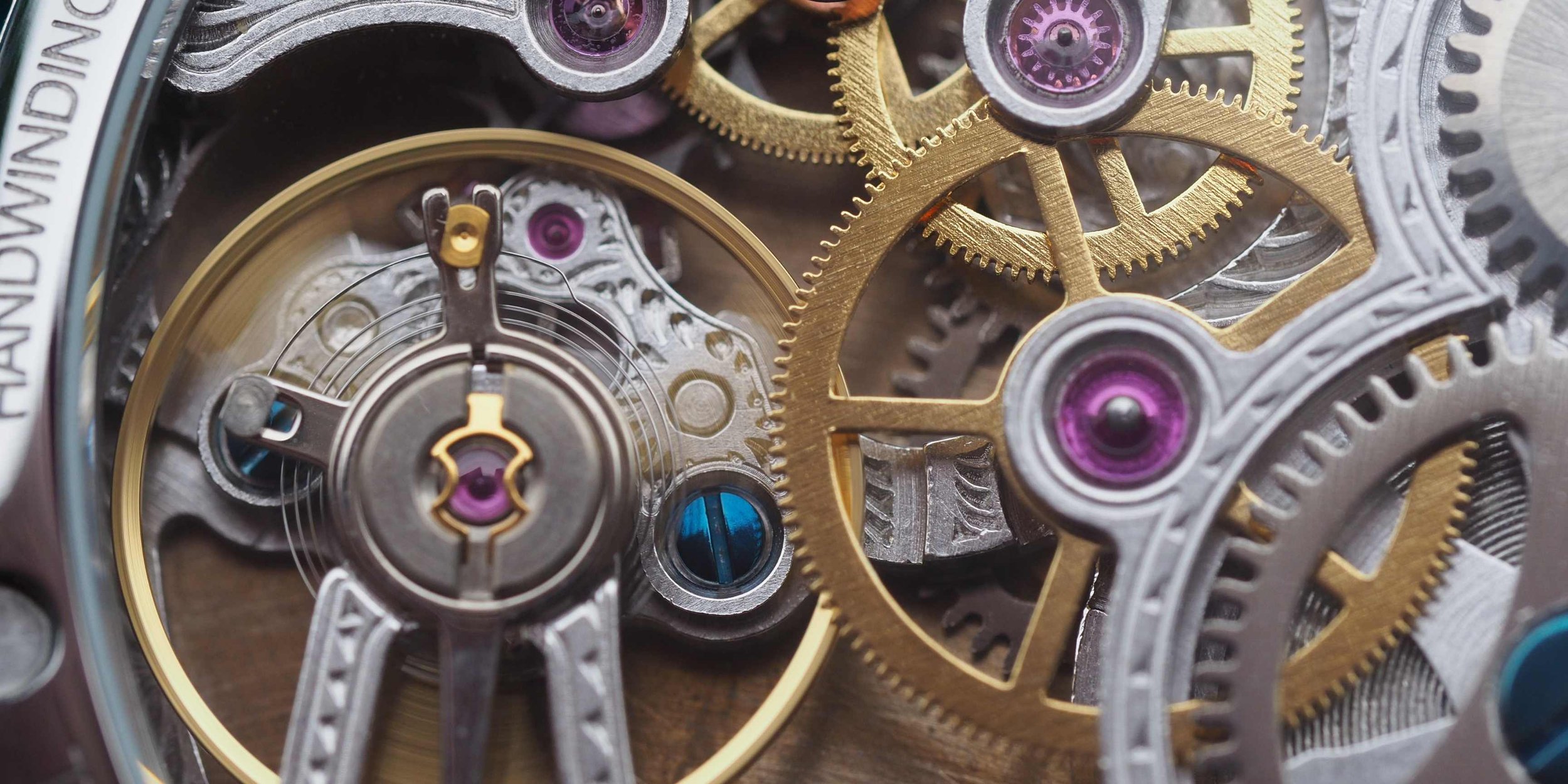
Credit: www.amjwatchservices.co.uk
Frequently Asked Questions
How To Fix A Slow Automatic Watch?
To fix a slow automatic watch, wind it manually. If it still runs slow, get it serviced by a professional.
Do Automatic Watches Slow Down Over Time?
Yes, automatic watches can slow down over time. Regular maintenance helps maintain accuracy. Keep your watch serviced every 3-5 years.
Why Is An Automatic Watch Losing Time?
An automatic watch may lose time due to insufficient winding, magnetization, or mechanical issues. Regular servicing can help maintain accuracy.
How Do I Adjust The Speed Of My Automatic Watch?
To adjust your automatic watch speed, use the regulator lever inside the movement. Move it towards “+” to speed up and “-” to slow down. Consult your watch’s manual for specific instructions or seek professional help if unsure.
Conclusion
Fixing an automatic watch running slow is easy with the right steps. Regular maintenance can prevent many issues. Keep your watch clean and dry. Avoid strong magnetic fields. Wind your watch properly. Seek professional help if needed. These tips ensure your watch stays accurate.
Enjoy a reliable timepiece every day. Thanks for reading and happy timekeeping!

“I’m someone who loves trying out all the newest tech gadgets! I spend a lot of time testing things like phones, tablets, and computers & accessories. I look at everything carefully and tell you exactly what I think, good or bad. I’ve been doing this for a long time, so I know a lot about how these things work. I want to help you decide if a gadget is really worth your money!”